

Transforming Ideas To Reality – 10 Steps For Your New York City Small Business
Many aspiring entrepreneurs dream of starting their own small business in the vibrant landscape of New York City. However, turning your unique idea into a successful venture requires more than just passion; it demands a clear plan and strategic execution. In this article, we will outline ten imperative steps that will guide you through the process of launching and growing your small business in the Big Apple. With these actionable insights, you can navigate the complexities of entrepreneurship and transform your vision into a thriving reality.
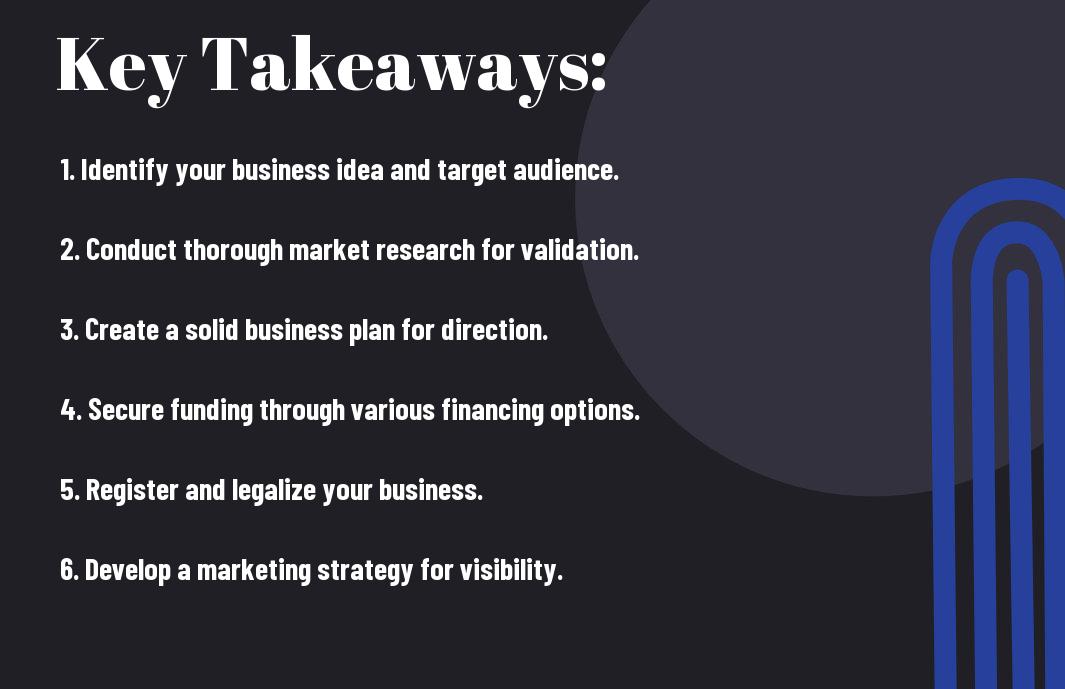
Key Takeaways:
- Develop a clear business plan that outlines your goals, target market, and financial projections to guide your small business journey.
- Utilize available resources such as local business development centers and networking opportunities to gain insights and support within the New York City entrepreneurial community.
- Implement effective marketing strategies that leverage both digital and traditional channels to effectively reach and engage your target audience.
Define Your Business Idea
Before you take the plunge into entrepreneurship, it’s crucial to crystallize your business idea. Take the time to think deeply about what you want to offer, how it fulfills a need, and what makes it unique. Consider your passions and skills as you weigh potential opportunities, because a well-defined idea serves as the foundation of your new venture. Outline your concept and be prepared to articulate your value proposition clearly, as this will guide you through the next steps of your business journey.
Identify Target Market
Assuming you’ve settled on a business idea, the next step is to identify your target market. Recognizing who will benefit from your product or service allows you to tailor your offerings to meet their specific needs. Conduct market research to understand demographics, preferences, and pain points of your potential customers. This knowledge will inform your marketing strategies and product development, ensuring you attract and retain loyal clients.
Understand Your Competition
Now that you’re defining your target audience, it’s vital to understand your competition. Competitors can provide insight into industry trends and help you position your business effectively. Analyze their offerings, pricing strategies, customer reviews, and marketing tactics. By evaluating their strengths and weaknesses, you can identify gaps in the market that your business could fill. Understanding the competitive landscape will also help you articulate your unique selling proposition, making it easier for you to stand out in New York City’s bustling marketplace.
Market analysis reveals valuable patterns about your competitors that can shape your business strategy. Delve into their marketing channels, audience engagement, and customer service practices. This research can highlight what works well and what doesn’t, enabling you to avoid pitfalls and adopt successful tactics. Additionally, assessing competitors can inspire innovations, allowing you to refine your offerings in a way that resonates with your target market. Ultimately, this understanding builds a strong foundation for your business’s competitive edge.
Create a business plan
Clearly, a well-structured business plan serves as your roadmap to success in New York City’s competitive landscape. This document outlines your business strategy, market analysis, and operational plan, providing a clear path to transforming your ideas into a viable venture. A comprehensive business plan not only helps in securing funding but also ensures you stay focused on your goals as you develop your small business.
Outline your goals
To effectively outline your goals, you need to articulate what you want to achieve, both short-term and long-term. Define specific, measurable objectives that align with your vision and core values. Clearly stating your intentions will guide your actions and motivate you to overcome challenges as your business progresses.
Financial projections included
Included in your business plan, financial projections are vital for illustrating the expected profitability and viability of your small business. You should cover key areas such as startup costs, revenue forecasts, and break-even analysis. By demonstrating a solid financial strategy, you will not only boost investor confidence but also enable you to make informed decisions as your business evolves.
Goals related to financial projections should be realistic and based on thorough research of the market. It’s important to provide detailed, well-structured estimates showing potential revenue streams, anticipated expenses, and profit margins. This level of clarity ensures you have a robust financial framework to support your business endeavors while allowing for adjustments as realities unfold.
Register Your Business Legally
Many aspiring entrepreneurs overlook the importance of registering their business legally. This step is important in establishing your venture as a recognized entity. By completing the necessary registration, you not only protect your brand but also gain access to various benefits, including legal protections and eligibility for business loans and grants. Ensuring that you navigate this process correctly paves the way for a solid foundation as you build your small business in New York City.
Choose Business Structure
For your new business, selecting the right legal structure is fundamental. Options include sole proprietorships, partnerships, LLCs, and corporations. Each structure has different implications for liability, taxes, and control, impacting how you operate and grow. Take the time to evaluate your goals and seek advice if necessary, as this decision will influence your business’s future.
Obtain Necessary Permits
An important step in establishing your business is obtaining the proper permits. This ensures you comply with local and state regulations, reducing the risk of fines or legal issues down the line.
Legally, it is imperative to identify which permits or licenses apply to your industry and location. Research the New York City licensing requirements tailored to your business type, whether it’s a restaurant, retail shop, or service provider. This may include health department permits, signage permits, or zoning approvals. Failing to secure the necessary permits can lead to operational delays, legal challenges, and financial penalties, so be thorough in your compliance efforts.

Secure Funding Sources
Now that you have a solid business plan, it’s time to secure funding sources to turn your vision into reality. Whether you need capital for initial startup costs or ongoing operational expenses, identifying the right funding options is imperative. Dive into different avenues available to you to ensure your ambitions don’t stall due to financial constraints.
Explore Loans and Grants
Clearly, loans and grants can provide the financial support necessary for your small business. Research local banks, credit unions, and government programs that offer funding specifically tailored for startups. Understanding the terms, interest rates, and application processes will help you make informed decisions that align with your business goals.
Consider Investors or Partners
Sources of funding often extend beyond traditional loans and grants. You may want to consider bringing on investors or business partners who can provide both financial support and valuable insights. Collaboration can ease the financial burden and increase your access to industry expertise, networks, and resources imperative for growth.
For instance, an angel investor may offer not only capital but also mentorship as you navigate your startup journey. Equity partners can also help you share risks and responsibilities, allowing you to focus on building your business without the pressure of generating immediate profits. Exploring various partnership structures can lead to mutually beneficial arrangements that significantly enhance your financial stability and operational success.
Develop Your Brand Identity
All successful businesses have a distinct brand identity that sets them apart from the competition. This identity goes beyond just a logo; it encompasses your values, mission, and how you communicate with your audience. By defining your brand identity, you create a cohesive and relatable experience for your customers, allowing them to connect emotionally and develop loyalty to your business. Invest the necessary time and thought into shaping this identity to lay a strong foundation for your small business in New York City.
Create a Memorable Logo
Memorable logos can make a lasting impression on your audience. They should embody your brand’s essence, style, and personality, evoking emotions that resonate with your target market. Aim for a design that is simple yet distinctive, ensuring it remains recognizable across various media. Incorporating colors and shapes that reflect your unique selling proposition will further enhance its effectiveness in capturing attention and building brand recall.
Develop a Strong Tagline
Develop a strong tagline that succinctly conveys your brand’s message and value proposition. A well-crafted tagline captures the essence of your business in just a few words, making it easier for potential customers to understand what you offer. Your tagline should be memorable, inspiring, and relevant to your target audience. It encapsulates your brand identity and sets the tone for your marketing efforts, creating a lasting connection with your consumers.
It should reflect your core values, mission, or the unique benefits you bring to your customers. Think about what makes your business special and how you can express that in a creative and catchy way. Consider testing it with focus groups or potential customers to gauge its impact. A strong tagline not only enhances brand recognition but also reinforces customer loyalty, as it becomes associated with their experiences with your product or service.
Build an Online Presence
Your online presence is vital for attracting customers and establishing credibility in today’s digital world. Start by ensuring that your business can be found easily through search engines and online directories. A well-crafted online presence extends beyond your website; it encompasses social media channels, online reviews, and digital marketing strategies tailored to your target audience. Investing time in this area can significantly enhance your reach and influence in the competitive New York City market.
Design a Professional Website
You’ll want to create a professional and user-friendly website that showcases your brand, products, and services. Aim for a clean design with easy navigation and a responsive layout that adapts to both desktop and mobile users. Including imperative elements, such as an engaging homepage, an informative about page, and clear calls-to-action, can help you attract and retain visitors, ultimately driving conversions and sales.
Utilize Social Media Platforms
Even the best products can go unnoticed without effective promotion, and social media provides an excellent avenue for outreach. By leveraging platforms like Instagram, Facebook, and LinkedIn, you can connect with your audience on a personal level, share updates, and build brand loyalty. The right strategy can help you form relationships that turn casual followers into dedicated customers.
A strong social media presence allows you to engage with your audience, receive feedback, and promote your products or services. By creating consistent, high-quality content that resonates with your target market, you can not only showcase your brand’s personality but also encourage user-generated content that amplifies your reach. Additionally, strategic advertising on these platforms can bring your business in front of new potential customers, ensuring your message gains traction throughout New York City and beyond.
Network with other businesses
After establishing your business, one of the most effective ways to ensure growth is to network with other businesses. Building relationships in your community not only enhances your visibility but also opens doors for collaboration and partnership opportunities. By connecting with fellow entrepreneurs, you can share resources, exchange referrals, and learn from each other’s experiences, ultimately fostering a supportive business ecosystem.
Attend local events
Assuming you want to expand your network, attending local events is an excellent way to meet fellow entrepreneurs and potential customers. Community fairs, trade shows, and networking mixers provide opportunities to showcase your brand, exchange ideas, and cultivate valuable relationships that can lead to future collaborations.
Join business organizations
Network with local business organizations to enhance your reach and resources. These organizations typically offer access to workshops, seminars, and networking events that can bolster your business acumen. By becoming a member, you gain credibility and establish a foothold within your industry, which can lead to beneficial partnerships and alliances that can elevate your business to new heights.
The right business organization can also provide mentorship and guidance from experienced professionals. These networks often have a wealth of resources, including industry insights, referrals, and potential clients. Regular interaction with other small business owners can inspire new ideas, motivate you during challenges, and help you stay updated on market trends. Engaging actively in these organizations keeps you informed about opportunities and strengthens your presence in the local business community.
Launch Your Marketing Campaign
Unlike waiting to perfect your product, launching your marketing campaign early allows you to create buzz and attract your target audience. Leverage various channels to communicate your brand’s message effectively. Engage with potential customers through social media, email campaigns, and community events. The sooner you start promoting your business, the sooner you can establish a connection with your audience and gather valuable feedback.
Use Digital Marketing Strategies
Even in a bustling market like New York City, digital marketing can be your most powerful tool. Utilize social media platforms, SEO, and online advertising to create targeted campaigns that reach your ideal customers quickly and efficiently.
Consider Traditional Advertising
You’ll find that traditional advertising still holds value, especially in a diverse city like New York. Print ads in local newspapers, flyers, and direct mail can effectively catch the eye of potential customers who may not be as active online.
Traditional advertising offers the opportunity to reach audiences in a variety of settings. For example, placing ads in community newspapers or magazines allows you to connect with residents who prefer local publications. Furthermore, leveraging outdoor advertising, such as billboards and transit ads, can enhance visibility in high-foot-traffic areas. By combining these tactics with your digital marketing efforts, you can create a well-rounded marketing strategy that ensures your business reaches every corner of your target market.
Monitor and Adapt Strategies
For your small business to thrive in the dynamic landscape of New York City, it’s imperative to continuously monitor and adapt your strategies. Regularly assessing your business operations, customer feedback, and market trends will help you stay competitive. This practice not only allows you to identify areas of improvement but also enables you to pivot swiftly in response to challenges or opportunities that arise.
Track Performance Metrics
Strategies to effectively track performance metrics are vital for understanding your business’s health. Use tools like Google Analytics or customer relationship management (CRM) software to gather data on sales, customer behavior, and operational efficiency. Analyzing these metrics regularly will help you gauge which strategies are working and which need adjustment, ensuring your business remains aligned with your goals.
Be Flexible with Changes
With a flexible approach to changes, you can respond to evolving market conditions and customer preferences effectively. Adapting your business strategies based on what you learn from performance metrics or feedback will keep your brand relevant and competitive. Embrace a growth mindset, and don’t hesitate to implement new processes, services, or products that better meet your customers’ needs.
Track changes in the marketplace, including emerging trends and competitor actions. By staying informed and vigilant, you can proactively adjust your offerings or marketing strategies. This flexibility positions your business to capitalize on new opportunities while mitigating risks, ultimately leading to sustained growth and success in the bustling New York City landscape.
Conclusion
Summing up, transforming your ideas into reality through the 10 steps outlined can pave the way for the success of your New York City small business. By carefully planning, researching your market, leveraging available resources, and remaining adaptable, you can navigate the challenges of entrepreneurship. You have the tools to create a sustainable venture that not only fulfills your vision but also serves your community. Embrace the journey ahead and turn those innovative concepts into tangible outcomes for your business.
FAQ
Q: What are the first steps I should take to transform my business idea into reality in New York City?
A: The first steps include conducting thorough market research to validate your idea and identifying your target audience. You should also create a detailed business plan that outlines your goals, strategies, and financial projections. This plan will serve as your roadmap as you begin the process of launching your business.
Q: How can I secure funding for my small business in New York City?
A: There are several options for securing funding, such as applying for small business loans from banks or credit unions, seeking out angel investors, or exploring crowdfunding platforms. Additionally, you may want to investigate grants that are available specifically for small businesses in New York City. It’s important to prepare a solid pitch and financial projections to attract potential investors or lenders.
Q: What legal requirements do I need to consider when starting a business in New York City?
A: You will need to choose a suitable business structure (e.g., LLC, corporation), register your business with the New York State Department of State, and obtain any necessary licenses or permits related to your industry. Additionally, be aware of zoning laws and tax obligations that may apply to your specific location and business type. Consulting with a legal expert is often advisable to ensure compliance with all regulations.

