

Navigating Challenges – 3 Key Steps For Your New York City Small Business Success
With the vibrant and competitive landscape of New York City, successfully managing your small business comes with its unique set of challenges. To thrive, you need effective strategies tailored to this bustling environment. In this post, we will explore three vital steps that you can take to navigate obstacles and position your venture for sustainable growth and success in the city that never sleeps.
Key Takeaways:
- Establish a strong financial foundation through effective budgeting and resource management to ensure sustainability in a competitive market.
- Utilize networking and community engagement to build relationships, access support, and enhance visibility within the New York City business landscape.
- Adopt a flexible approach to adapt to evolving market trends and customer needs, ensuring your business stays relevant and successful.
Understanding the NYC Business Landscape
While launching your small business in New York City can be invigorating, it is imperative to understand the local business landscape. NYC is a vibrant hub for diverse industries and a melting pot of cultures and ideas. As an entrepreneur, you must navigate the unique challenges and opportunities that come with operating in one of the world’s most dynamic cities. Awareness of market trends, regulatory requirements, and competitive forces can set your business apart in this bustling environment.
Market Trends and Opportunities
Across a broad spectrum of industries, New York City presents numerous market trends and opportunities that you can leverage. From the tech scene to eco-friendly startups, being attuned to these trends will allow you to identify gaps in the market and cater to the evolving needs of consumers. Continuous research and networking can help you stay ahead and ensure your business remains relevant in this fast-paced environment.
Regulatory Environment and Compliance
With a diverse set of regulations governing businesses in New York City, compliance is a significant factor in your success. Understanding local laws, zoning regulations, and permitting processes is imperative to avoid potential legal challenges. Staying informed about tax policies and labor laws will also empower you to make sound decisions for your business.
But navigating the regulatory landscape can seem daunting. As you venture into the NYC business world, familiarize yourself with the specific requirements that pertain to your industry. Connecting with local business organizations or seeking legal counsel can help clarify any complexities. By investing time in understanding the compliance landscape, you can mitigate risks and focus on growing your business while adhering to all necessary regulations.

Building a Strong Business Plan
There’s no denying that a robust business plan lays the groundwork for your success in New York City. It serves as a roadmap, guiding you through complex decisions, market challenges, and long-term goals. By clearly outlining your objectives and strategies, you enhance your ability to secure funding, attract partners, and navigate the highly competitive landscape of the city.
Defining Your Mission and Vision
Against a backdrop of tough competition, articulating your mission and vision is vital for driving your business forward. Your mission defines the core purpose of your business, while your vision describes where you aspire to go in the future. Together, they guide your decision-making processes and inspire both your team and potential customers.
Financial Planning and Budgeting
On your journey to establishing a successful small business, financial planning and budgeting play a significant role in ensuring sustainable growth. By setting clear financial objectives and carefully monitoring your expenses and revenue, you can make informed decisions that align with your business goals.
Further, an effective financial plan helps you identify potential income sources, allocate resources wisely, and forecast cash flow needs. It’s important to create a detailed budget that outlines fixed and variable costs, as well as anticipated revenue streams. Additionally, regularly reviewing and adjusting your budget in response to market changes will enable you to stay agile and responsive in the dynamic New York City business environment.
Marketing Strategies for Success
All small businesses in New York City must develop effective marketing strategies to thrive in a competitive landscape. Whether you’re a local café or an online retail shop, understanding your market and utilizing the right tools can set you apart. Your marketing approach should be flexible, integrating both traditional methods and modern technologies to reach your audience effectively.
Identifying Your Target Audience
Your first step in creating a solid marketing strategy is to identify your target audience. Understanding who your ideal customers are will help you tailor your messaging to their needs and preferences. Utilize tools like surveys and social media analytics to gather insights about your audience’s demographics, interests, and purchasing behaviors.
Leveraging Digital Marketing Tools
Between social media, email marketing, and search engine optimization, there are numerous digital marketing tools at your disposal. These platforms allow you to reach a wider audience while offering insights into customer behavior and preferences. Utilizing a mix of these digital strategies can enhance your visibility and drive traffic to your business.
The landscape of digital marketing tools is vast and continuously evolving. You can employ social media platforms like Instagram and Facebook to showcase your products visually and engage with potential customers through comments and direct messages. Additionally, email marketing campaigns allow you to nurture leads and keep existing customers informed about promotions or new arrivals. Search engine optimization (SEO) can improve your website’s visibility, ensuring that potential customers find you easily online. By integrating these tools, you can create a comprehensive marketing strategy that resonates with your audience and drives growth.
Networking and Community Engagement
After establishing your small business in New York City, focusing on networking and community engagement can significantly enhance your visibility and support. Building relationships with other entrepreneurs and local organizations not only fosters a sense of belonging but also opens up valuable opportunities for collaboration and growth. By engaging actively in your community, you create a loyal customer base while enhancing your brand’s reputation.
Building Partnerships and Collaborations
For your small business to thrive, consider building partnerships with other businesses and organizations that complement your services. Collaborating can help you tap into new customer segments, share resources, and amplify your marketing efforts. These partnerships can lead to innovative solutions that benefit both parties and strengthen your presence in the local marketplace.
Participating in Local Events and Initiatives
To enhance your community ties, actively participate in local events and initiatives. Engaging in these activities places your business in the spotlight and fosters connections with potential customers.
Considering the vibrant landscape of New York City, there are numerous opportunities to participate in events such as street fairs, farmers’ markets, and community clean-up initiatives. By promoting your business at these gatherings, you not only display your products or services but also show that you care about your local community. This engagement builds trust and credibility with your customers, showing that you are a committed player in the area. Plus, these events often facilitate networking with other business owners, leading to potential collaborations that can further enhance your success.
Adapting to Challenges
Once again, successfully navigating the landscape of your New York City small business requires a proactive approach to adapting to challenges. It’s not just about encountering difficulties but knowing how to pivot and adjust your strategies to thrive. Embrace a mindset of resilience, as this will enable you to stay ahead of the competition and continually evolve your business model to meet the changing needs of the market.
Managing Risks and Uncertainties
Uncertainties are an inevitable part of running a small business in the dynamic environment of New York City. To manage these risks effectively, you should conduct regular assessments of potential challenges while developing contingency plans. Stay informed about industry trends and financial fluctuations to prepare your business for unforeseen circumstances, enabling you to respond swiftly and maintain stability.
Embracing Innovation and Flexibility
At the heart of adapting to challenges is the need for embracing innovation and flexibility within your operations. By fostering a culture that encourages new ideas and technological advancements, you can enhance your offerings and improve customer satisfaction. Consider experimenting with fresh approaches to marketing or integrating new tools that streamline your processes, allowing you to better respond to market demands.
Consequently, allowing room for innovation will help you differentiate your small business in a competitive landscape. By continuously seeking out new technologies, methodologies, and ideas, you can pivot your operations according to consumer trends and preferences. Encourage feedback from customers and your team to stay at the forefront of change, ensuring your business adapts seamlessly and thrives despite the ever-shifting challenges of the urban marketplace.
To wrap up
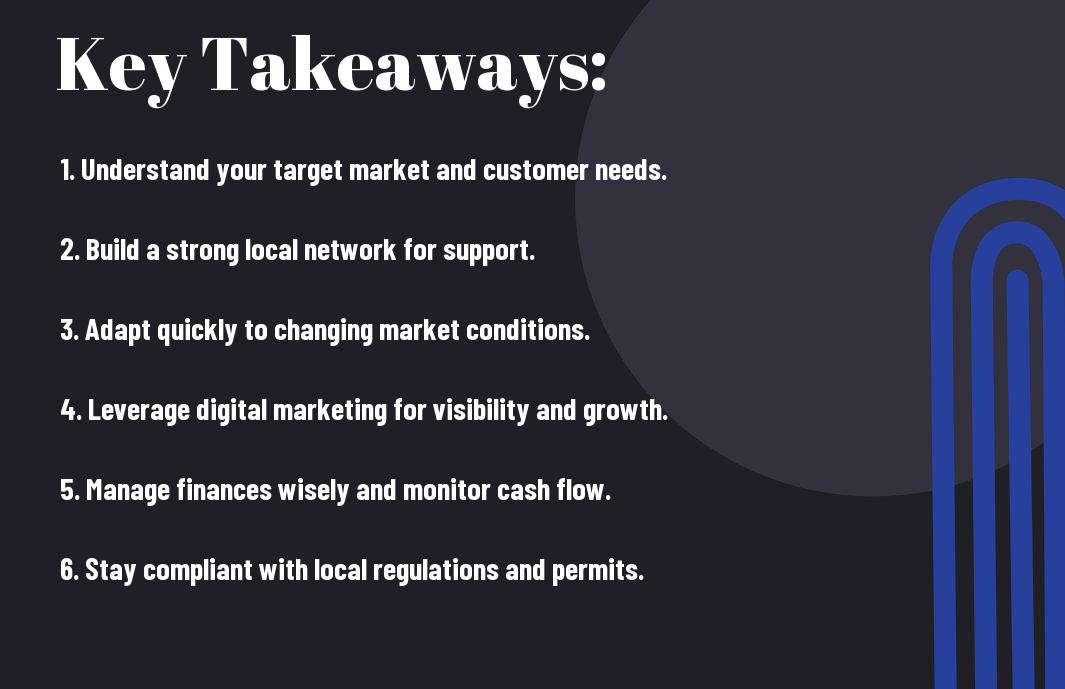
Drawing together the insights shared, successfully navigating the challenges of running a small business in New York City involves understanding your market, utilizing available resources, and remaining adaptable to change. By implementing these three key steps, you can enhance your decision-making process and position your business for growth. Embrace the unique environment of NYC, leverage your strengths, and stay committed to your vision for a prosperous future.
FAQ
Q: What are the three key steps to navigate challenges for small businesses in New York City?
A: The three key steps include: 1) Understanding the local market – Conduct thorough research to identify your target audience, competition, and local trends that influence your industry. 2) Building a strong network – Establish connections with other business owners, local organizations, and mentors to share experiences, resources, and potential opportunities. 3) Embracing adaptability – Be prepared to pivot your business model as needed to respond to market demands, economic changes, and unexpected obstacles.
Q: How can a small business owner effectively research their target market in New York City?
A: To effectively research your target market, start by utilizing available resources such as the U.S. Census Bureau for demographic data, and local business associations for industry insights. Conduct surveys or interviews with potential customers to gather firsthand feedback on their needs and preferences. Additionally, analyze online market data and social media trends to understand consumer behavior within the city.
Q: What resources are available for New York City small businesses facing challenges?
A: Several resources can assist small businesses in navigating challenges. The NYC Department of Small Business Services offers workshops, funding options, and mentorship programs. Additionally, local chambers of commerce and industry-specific associations provide networking opportunities and advocacy support. Researching local nonprofit organizations dedicated to small business development can also be beneficial for guidance and assistance.

