

The Essential Guide – 5 Steps To Building A Sustainable New York City Small Business
This guide is designed to help you navigate the imperative steps for establishing a sustainable small business in New York City. By focusing on environmentally friendly practices and community engagement, you can create a thriving enterprise that aligns with the values of your customers and the city itself. In this post, you’ll discover five actionable steps to effectively build your business while making a positive impact on the local environment and economy. Let’s dive in and explore how you can achieve success in a sustainable way.
Key Takeaways:
- Identify your target market and tailor your business model to meet their specific needs while emphasizing sustainability.
- Utilize local resources and networks to build partnerships that can enhance your business’s visibility and community engagement.
- Implement eco-friendly practices in operations, such as reducing waste and sourcing materials sustainably, to appeal to environmentally-conscious consumers.
Understanding Types of Small Businesses
Before you initiate on your small business journey in New York City, it’s key to understand the different types of small businesses that exist. Each type serves unique purposes and customer needs, influencing your sustainable strategies. Here’s a quick look:
| Type | Description |
| Service-Based | Businesses that provide services rather than tangible products. |
| Product-Based | Businesses that sell physical goods or items. |
| E-commerce | Online platforms that facilitate buying and selling. |
| Brick-and-Mortar | Physical locations where transactions take place. |
| Freelancers | Independent professionals offering specialized services. |
Perceiving the nuances between these types can help you carve out your niche and build a sustainable business model.
Service-Based Businesses
Little do many realize, service-based businesses are the backbone of New York City’s diverse economy. They encompass a range of sectors, including health care, consulting, and personal services. By focusing on high-quality customer interaction and personalized solutions, you can effectively build long-term relationships with your clients.
Product-Based Businesses
Now, product-based businesses involve the creation or resale of tangible items. Whether you craft handmade goods or source products from suppliers, this model offers various pathways to profitability. With the right marketing and sustainable sourcing methods, you can attract eco-conscious consumers who are looking for responsible shopping options.
Businesses operating in this space often need to navigate inventory management and supply chain sustainability. Your responsibility includes ensuring that your products are ethically sourced and packaged. Engaging with local artisans and suppliers can also enhance the sustainability aspect, create a supportive community, and contribute to the local economy. It’s important to highlight these values in your branding, as customers are increasingly interested in where their products come from. Investing time in understanding your market can create loyal customer relationships that help your business thrive sustainably.
Step-by-Step Guide to Building Your Business
One of the most effective strategies for building your small business is to follow a structured approach. Here’s a simple breakdown of the crucial steps you should take:
| Step | Description |
| 1 | Conduct market research to understand your target audience. |
| 2 | Create a solid business plan outlining your goals and strategies. |
| 3 | Secure funding to maintain and grow your business. |
| 4 | Develop a strong brand to engage and attract customers. |
| 5 | Implement effective marketing strategies to reach your audience. |
Market Research
Assuming you want to ensure the success of your small business, conducting thorough market research is imperative. This involves analyzing your competition, understanding market demands, and identifying your target audience. By gathering insights, you can make informed decisions that align your offerings with customer needs, ultimately enhancing your chance for sustainability and growth.
Business Planning
Any successful business starts with a well-structured business plan. This plan serves as your strategic roadmap, detailing everything from your mission and vision to operational and financial projections. You’ll need to outline specific objectives, identify key performance indicators, and determine your unique value proposition to differentiate yourself in the bustling New York City market.
Building a comprehensive business plan not only helps clarify your goals but also prepares you for potential challenges. It’s an opportunity to define your marketing strategies, operational processes, and financial forecasts. By investing time and effort into this plan, you create a solid foundation for your business that guides you through each stage of your entrepreneurial journey. This preparation will ultimately serve you well as you work towards establishing and sustaining your small business in New York City.
Key Factors for Sustainability
After identifying your goal to create a sustainable small business in New York City, consider these key factors that contribute to long-term success:
- Transparency in operations
- Engagement with the community
- Innovative practices
- Resource efficiency
- Long-lasting partnerships
Thou must prioritize these elements for a thriving enterprise.
Environmental Considerations
Now, evaluate how your business impacts the environment. This includes assessing your carbon footprint, waste management practices, and resource consumption. Implementing eco-friendly initiatives, such as reducing plastic use and utilizing renewable energy, can enhance your brand’s reputation while promoting environmental integrity. Simple changes can resonate significantly with eco-conscious customers.
Economic Viability
Economic sustainability is about ensuring your business remains profitable while contributing positively to the community. You must create a value-driven business model that balances financial success and social responsibility. Establishing a budget that accounts for sustainable practices will help you thrive in the long term.
Another aspect of economic viability is understanding the importance of cost-effective methods for sustainability. By investing in energy-efficient equipment or local sourcing, you can reduce operating costs while supporting the local economy. Explore grants and incentives that may offset initial investments, enabling you to build a resilient business model that benefits both you and your community.
Tips for Efficient Resource Management
Not only does efficient resource management save you money, but it also positively impacts your sustainability goals. To maximize your resources, consider the following:
- Track your inventory and resources regularly.
- Invest in technology that can optimize workflows.
- Encourage energy efficiency among your team.
- Consider the circular economy principles in your operations.
Any strategic approach you employ can lead to significant improvements in sustainability and cost-effectiveness.
Minimizing Waste
The key to minimizing waste in your small business starts with assessing your current processes. By identifying areas where materials or resources are wasted, you can implement strategies like recycling, composting, and reducing overproduction. Emphasize a culture of conservation among your employees to create a collective effort toward waste reduction.
Utilizing Local Resources
Now, leveraging local resources is an excellent way to reduce your carbon footprint while supporting your community. By sourcing materials and services from nearby suppliers, you not only cut down transportation emissions but also strengthen your local economy.
Plus, utilizing local resources can foster strong relationships with suppliers, allowing you to negotiate better terms and gain quicker access to necessary materials. Consider collaborating with other local businesses for shared resources, or participate in community initiatives that promote local sourcing. These efforts enhance your brand image and connect you more deeply with your neighborhood, creating a win-win situation for your business and the community at large.
Pros and Cons of a Sustainable Business Model
Despite the many advantages of adopting a sustainable business model, it is vital to weigh both pros and cons before making the switch. Below is a concise overview of the key factors to consider:
| Pros | Cons |
|---|---|
| Improved brand image | Higher initial investment |
| Reduced environmental impact | Potential supply chain challenges |
| Attracts eco-conscious consumers | Market competition |
| Long-term cost savings | Might require staff retraining |
| Opportunities for innovation | Regulatory compliance complexities |
Benefits of Sustainability
While implementing sustainable practices can initially feel daunting, the benefits you gain can significantly enhance your business reputation and customer loyalty. A commitment to sustainability showcases your dedication to environmental stewardship, making your brand more appealing to a growing segment of eco-aware consumers. Over time, these practices can also lead to cost savings through energy efficiency and waste reduction, ultimately boosting your bottom line.
Challenges and Drawbacks
Now, it’s important to recognize that transitioning to a sustainable business model does not come without its challenges. You may face upfront costs and logistical complications that can initially strain your resources. Careful planning and research are key in navigating these obstacles effectively.
Another consideration is the potential market competition. As sustainability becomes a primary focus across industries, you must differentiate your business from those adopting similar models. Additionally, sourcing sustainable materials may present challenges in your supply chain, often leading to higher costs or delays. Addressing these drawbacks will require strategic planning to minimize their impact on your operations.
Strategies for Community Engagement
Unlike traditional business approaches, engaging with your community fosters loyalty and long-term success. By establishing strong connections with local residents and organizations, you not only enhance your brand’s visibility but also build a support network that can drive customer traffic. Consider creating programs and initiatives that involve your customers in meaningful ways, from eco-friendly practices to community service projects, ensuring your business thrives while contributing to the well-being of your neighborhood.
Building Local Partnerships
While developing your small business, consider forging partnerships with other local enterprises. Collaborating with nearby shops or service providers can enhance your offerings and create a sense of camaraderie within the community. Mutual promotions, events, or even shared resources can help you achieve your business goals while boosting local awareness and shared success.
Community Awareness Campaigns
With a focus on sustainability and local engagement, your community awareness campaigns should reflect your business values. Using various media platforms, you can spread the word about your mission and encourage others to participate in your initiatives. Your campaigns can also highlight the importance of shopping locally and the positive impacts it has on the community.
Campaigns can take many forms, from social media posts to in-person events like workshops or clean-up drives. You might consider organizing panels or talks that educate your audience about sustainability and support available to local businesses. Make it easy for your customers to share your mission by creating shareable content, infographics, and success stories that showcase the benefits of your efforts. This ongoing dialogue can bolster your reputation while actively engaging your community.
Conclusion
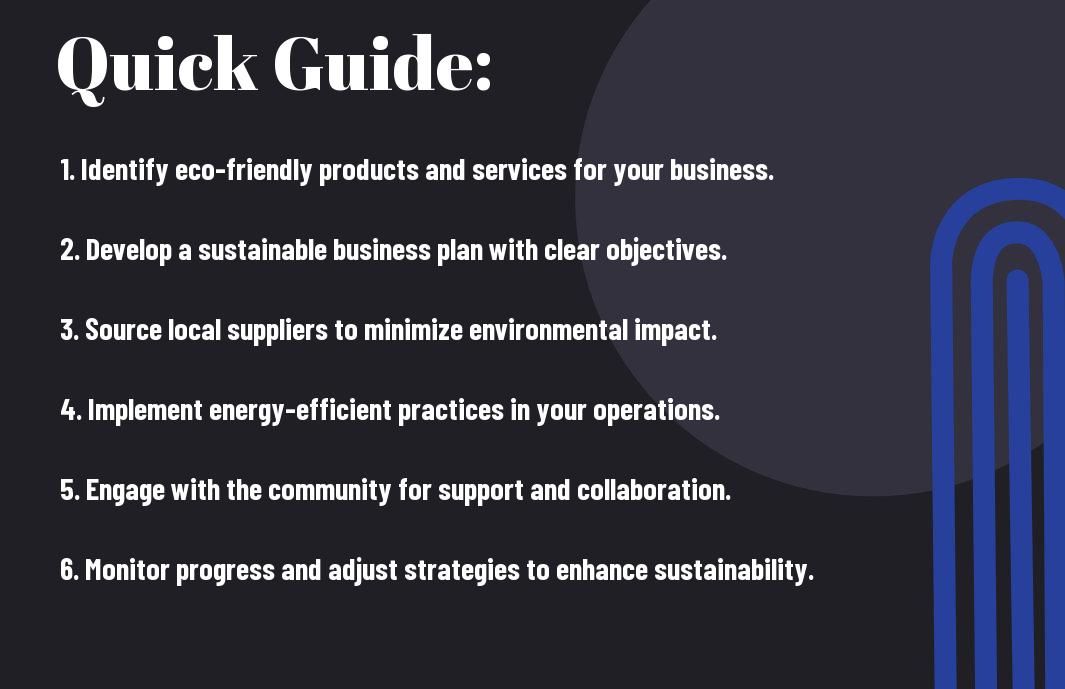
Taking this into account, you are now equipped with the important five steps to build a sustainable small business in New York City. By focusing on community engagement, sustainable practices, financial literacy, branding, and adaptability, you can position your business not only for success but also for longevity in a competitive market. Embrace these strategies to create a positive impact on your community and environment while achieving your entrepreneurial goals.
FAQ
Q: What are the key steps outlined in ‘The Essential Guide – 5 Steps To Building A Sustainable New York City Small Business’?
A: The guide emphasizes five main steps: 1) Research and Planning – understanding the market and creating a solid business plan. 2) Sustainable Practices – incorporating eco-friendly practices into your operations. 3) Community Engagement – connecting with local customers and businesses to build a supportive network. 4) Marketing Strategy – developing a marketing plan that resonates with the community and promotes sustainability. 5) Financial Management – implementing responsible financial practices to ensure long-term viability.
Q: How does the guide address sustainability in business operations?
A: The guide explores various ways to integrate sustainability into everyday business practices. This includes choosing environmentally friendly materials, reducing waste, utilizing energy-efficient technologies, and implementing sustainable sourcing strategies. By prioritizing these aspects, small businesses can minimize their environmental footprint while appealing to a growing base of eco-conscious consumers.
Q: Can this guide benefit businesses outside of New York City?
A: While the guide is tailored for New York City, many principles and strategies discussed are applicable to small businesses in different locations. The emphasis on sustainability, community engagement, and financial health can be adapted to fit various market conditions and local regulations. Entrepreneurs in other areas can use the insights to craft their unique approach while still aiming for sustainable growth.

