
How To Curate A Vintage Clothing Store – Fashion Insights For NYC Entrepreneurs
Most aspiring entrepreneurs in NYC dream of opening a vintage clothing store that captures the essence of bygone eras. Curating a collection that stands out requires thoughtful planning, a keen eye for unique pieces, and a deep appreciation for fashion history. In this guide, you’ll discover important tips and strategies to help you build your store’s identity, source quality items, and create an inviting shopping experience that keeps customers coming back for more. Get ready to turn your passion for vintage fashion into a successful business venture!
Key Takeaways:
- Identify your niche by researching current trends and gaps in the market to curate a unique collection that resonates with your target audience.
- Develop relationships with reliable suppliers and vintage wholesalers to ensure a consistent source of quality items for your store.
- Utilize social media and local events to promote your brand and engage with the community, building a loyal customer base through effective marketing strategies.
The Art of Sourcing Vintage Finds
Navigating Flea Markets and Trade Shows
Flea markets and trade shows are treasure troves for vintage enthusiasts and entrepreneurs looking to stock unique clothing options. You’ll want to arrive early to get the first pick of what’s available. Communication with vendors is key—ask about the history of their pieces and their sourcing methods, as it can provide insight into the quality and authenticity of the items. The Brooklyn Flea and the Antique and Vintage Market in the East Village are two standout locations that often feature a mix of high-quality vendors and unique finds. Carry cash to facilitate quicker negotiations, and consider having a small wheeled cart or tote to manage larger items effectively.
Keep your eye on trends while you browse. Items in excellent condition that reflect popular styles—like 90s grunge or retro athletic wear—tend to resonate with shoppers. Building a curated collection isn’t just about individual pieces; it’s also about how they fit together within your store. If you spot a matching set or a particularly bold statement piece, these can elevate your selections and attract customer interest. Consider photographing items throughout the day to reference popular designs and keep track of what sells best.
Building Relationships with Local Collectors
Your network can significantly shape the success of your vintage clothing store, particularly through relationships with local collectors and resellers. Often, these individuals have unique insights and access to rare finds that you may not encounter through conventional channels. Attend vintage-focused community events or join Facebook groups dedicated to vintage fashion in your area to meet like-minded individuals. Regular communication and collaboration with collectors can lead to potential trade opportunities as well, enhancing your inventory without the associated sourcing costs.
Show genuine interest in their collections and expertise. A simple coffee chat can reveal resources or tips that may surprise you. Negotiating a mutual benefit, perhaps through exclusive access to their pieces or sharing customers, can create a symbiotic relationship that strengthens your business. Cultivating a rapport with collectors helps keep you in the loop, ensuring that you’re privy to the treasures before anyone else can get their hands on them.

Decoding Trends: What’s Hot in Vintage Fashion
Analyzing Historical Styles and Their Resurgence
Understanding the cyclical nature of fashion is necessary for any entrepreneur in the vintage clothing space. Many styles from past decades tend to rightfully reclaim their spots on the fashion runway after decades of dormancy. The 90s grunge look, for instance, has made a remarkable comeback, thanks to pop culture icons and influencers who effortlessly blend nostalgia with modern aesthetics. This trend isn’t just limited to typical streetwear; high-end designers have incorporated elements of this decade into their collections, making vintage finds more relevant than ever.
Fashion history operates on a rhythm influenced by social change, technological advancements, and even geopolitical events. For instance, the rise of environmentally conscious consumerism has ushered in a renewed appreciation for sustainable fashion, leading to increased interest in thrifted and vintage garments. Understanding these patterns allows you to curate your offerings effectively, positioning your store as a hotspot for trendy vintage selections that speak to current consumer values.
Key Factors Influencing Current Trends
Various factors play pivotal roles in shaping what is considered “in” within the vintage scene. Social media platforms, particularly Instagram and TikTok, have significantly altered the fashion landscape, providing instant access to emerging trends and styles. When influencers showcase vintage outfits on their feeds, they not only promote the idea of sustainability but also ignite consumer interest. You can leverage this phenomenon by showcasing your curated pieces in visually appealing ways on social media, attracting the attention of potential buyers.
Additionally, broader cultural movements and events often create new styles and evolve existing ones. The pandemic, for instance, shifted priorities toward comfort and functionality, breathing new life into relaxed fits reminiscent of earlier decades. As you look to curate your collection, staying tuned into these cultural narratives can offer insights into the specific pieces to source. This will allow you to build a selection that feels fresh while tapping into the enduring demand for vintage aesthetics and storytelling.
- Social media influences and viral trends.
- Cultural movements and lifestyle shifts.
- The push towards sustainability in fashion.
This mixture of influences not only enriches your understanding of the current market but empowers you to make informed decisions about what items resonate with your clientele. By staying aware of how these factors intertwine, you can confidently predict and adapt to consumer preferences, enhancing your store’s appeal.
- Emerging fashion weeks and designer influences.
- The impact of celebrity styles and red carpet moments.
- Consumer behavior analytics and market demand.
This knowledge equips you with a foundational understanding of how to navigate the complexities of the vintage market while keeping your aesthetic true to the rich histories embedded in each piece you curate.
Curating an Attractive In-Store Experience
Effective Visual Merchandising Techniques
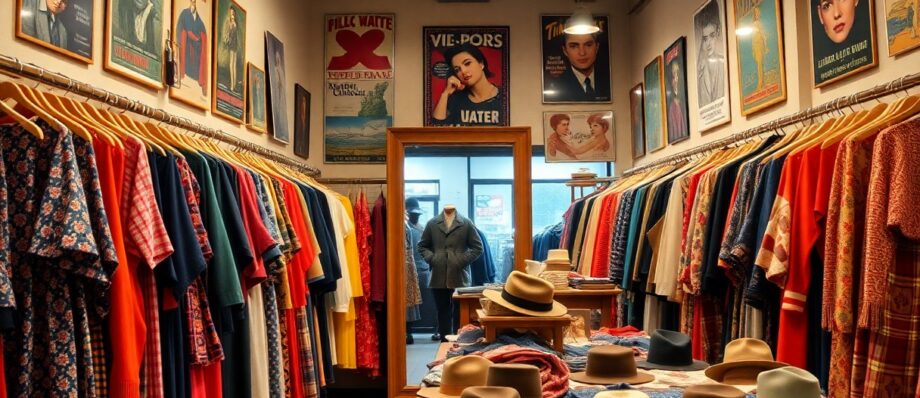
Strategically placing your vintage items is key to drawing customers into your store and encouraging them to explore. Utilize mannequins to showcase how certain pieces can be styled, creating a narrative around your offerings. Consider rotating your displays regularly to keep the shopping experience fresh and exciting. Use props like vintage suitcases or furniture to enhance the aesthetic and foster an immersive atmosphere that transports shoppers back in time. Lighting also plays a pivotal role; warm, inviting lights highlight the intricate details of your clothing while creating an appealing ambience.
Color coordination can significantly impact the visual appeal of your store. By categorizing items not only by type but also by color palettes, you help customers navigate your space intuitively, making their shopping experience smoother. Creating focal points using seasonal themes or specific eras—like ’70s boho or ’90s grunge—can spark nostalgia and evoke emotions, enticing customers to engage more deeply with your collection. A well-thought-out flow and aesthetic will not only keep your store organized but also enhance customer retention as they seek to revisit your curated space.
Creating an Authentic Brand Narrative
Your vintage clothing store needs to resonate with your audience, and establishing a compelling brand narrative is a powerful way to achieve this. Share the background story of how your passion for vintage fashion evolved, possibly influenced by trips to thrift shops or a love for fashion history. Use signage or an engaging website to convey your journey, capturing the essence of the pieces you curate. The narrative should reflect authenticity, allowing customers to form an emotional connection with not just clothing but the broader vision you embody.
Integrating storytelling elements throughout your store can further heighten this experience. Consider organizing collection sections that celebrate different eras or styles, accompanied by anecdotes or historical trivia that highlight the significance of those pieces. For example, a dedicated corner for ’60s mod fashion could include information about the cultural revolution of the time, inviting customers to step into the past. This narrative not only differentiates you from larger retailers but also creates a unique shopping experience that fosters loyalty among your clientele.
Mastering Pricing Strategies for Vintage Items
Understanding Valuation and Demand
Determining the right price for your vintage pieces begins with understanding their valuation and the current demand in your market. Research is your best friend here; browse sold listings on platforms like Etsy, Depop, or eBay to get a sense of how similar items are priced. Look for factors that affect value, such as brand reputation, rarity, condition, and authenticity. An original 1950s Chanel dress, for example, will understandably command a much higher price compared to a mass-produced vintage piece from the same era. Additionally, keeping track of trending styles and seasons can help you anticipate which items are likely to boost demand in your store, making your pricing strategy more robust.
Engage with your community, whether it’s through social media or local vintage markets, to get insights on what people are willing to pay. Creating polls or asking for feedback can inform you about consumer preferences. Consider also the demographic of your customer base; millennials and Gen Z shoppers tend to value sustainability and unique finds over brand names, and pricing can reflect these values without compromising your profit margins.
Crafting Competitive yet Profitable Price Points
Finding that sweet spot between being competitive and ensuring profitability involves a strategic approach. Develop a pricing formula that considers your costs, desired profit margin, and comparison prices in the market. A common practice in retail is to mark up the purchase price by at least 2.5 to 3 times, factoring in any refurbishing or cleaning costs. If you sourced a vintage leather jacket for $50, pricing it between $125 and $150 could position you favorably in the market. Utilizing tiered pricing for different items based on their rarity and demand can also maximize revenue while keeping your offerings varied.
Seasonality can heavily influence pricing; for instance, outerwear might sell better and at higher prices as cooler months approach. Keep a dynamic approach—adjust prices periodically based on season trends or inventory turnover rates. If certain items linger in your store longer than expected, consider promotional discounts or special sales to reinvigorate interest without drastically diminishing value. Staying responsive to market trends and consumer demands is key to maintaining a balance between competitive pricing and profitability.
Marketing Your Vintage Store in the Digital Age
Harnessing Social Media for Brand Engagement
Social media serves as a pivotal tool for promoting your vintage store, creating a direct line of communication with your audience. Platforms like Instagram, TikTok, and Pinterest are visually-driven, making them ideal for showcasing your unique pieces. Regularly posting high-quality images of your merchandise can attract attention and convert followers into loyal customers. Engaging storytelling is equally significant; share the history behind each piece or present styling tips that highlight how to incorporate vintage fashion into modern wardrobes. Using relevant hashtags will extend your reach, connecting you with fashion enthusiasts and helping you appear in curated feeds that celebrate vintage style.
Crafting a distinct brand image on social media solidifies your store’s identity. Consider behind-the-scenes content, like videos of your sourcing trips or renovation processes for your retail space. This transparency builds trust and fosters a sense of community, as your followers engage not just with your products but with the journey of your business. Hosting regular Instagram Lives or Q&A sessions can further enhance interaction, allowing customer feedback to shape your inventory decisions and retail strategies.
Collaborating with Influencers and Vintage Enthusiasts
Branching out through collaborations opens up fresh avenues for reaching new audiences. Connecting with local fashion influencers who have a genuine passion for vintage clothing can yield beneficial partnerships. Their endorsement serves as a stamp of approval that resonates with their followers, providing exposure to demographics that might align closely with your target market. Think about organizing style challenges or giveaways that feature your best pieces, encouraging user-generated content that showcases how others wear and appreciate vintage styles.
Moreover, engaging with vintage enthusiast communities boosts your credibility and visibility. Participating in relevant online forums or groups allows you to contribute valuable insights and build relationships with individuals who have a shared passion for vintage fashion. Collaborate with these communities on pop-up events or vintage-themed parties, where you can showcase your clothing and engage directly with potential customers. Ultimately, the synergy created through these collaborations not only broadens your reach but also cultivates a loyal customer base who feel connected to your brand’s narrative.
Final Words
Hence, curating a vintage clothing store in NYC requires a strategic approach that combines a keen eye for timeless fashion, a solid understanding of your target market, and effective sourcing techniques. As you explore the vast landscape of vintage fashion, consider what themes and styles resonate with your personal aesthetic and the demographics of your intended customer base. This will help you create a cohesive collection that not only stands out but also tells a story, drawing customers in and encouraging them to make a purchase.
Additionally, staying updated on current trends while paying homage to classic styles is important for your success. Utilize social media and local events to engage with your clientele, fostering a community around your brand. With perseverance, creativity, and an informed approach, you can carve out a niche in the bustling NYC market, transforming your passion for vintage fashion into a thriving entrepreneurial venture that reflects both your personality and the rich tapestry of styles that past eras have to offer.
Q: What are the key steps to sourcing vintage clothing for my store?
A: Sourcing vintage clothing involves several steps. Start by researching local thrift stores, estate sales, flea markets, and online platforms like Etsy or eBay. Building relationships with suppliers who specialize in vintage garments can also be beneficial. It’s important to visit these locations regularly to find unique items and trending styles. Additionally, consider attending vintage fairs and fashion shows to network with other vendors and discover new sources of inventory.
Q: How do I determine the pricing for the vintage items in my store?
A: Pricing vintage clothing requires a thoughtful approach. First, analyze the market by researching similar items in other vintage stores and online marketplaces. Factors to consider include the item’s age, condition, designer label, and demand. Ensure your prices reflect both the uniqueness and quality of the pieces while remaining competitive. Don’t hesitate to experiment with price points to gauge customer interest and adjust based on sales data over time.
Q: What are effective marketing strategies for a vintage clothing store in NYC?
A: Marketing a vintage clothing store in NYC can be approached through various channels. Start by establishing a strong online presence with a visually appealing website and active social media accounts showcasing your inventory. Engaging content, such as styling tips and behind-the-scenes looks, can attract potential customers. Collaborate with local influencers or host pop-up events to increase visibility. Additionally, consider using targeted online ads to reach fashion enthusiasts specifically interested in vintage pieces.

