
Mastering The Market – 4 Steps To A Thriving New York City Small Business
Just as every great entrepreneur has their playbook, you too can craft your strategy to thrive in the bustling environment of New York City. With its unique challenges and abundant opportunities, navigating the local market requires a clear approach. In this article, you’ll discover four imperative steps designed to help you establish and grow your small business in one of the world’s most competitive landscapes. Let’s dive in and equip you with the knowledge you need to succeed!
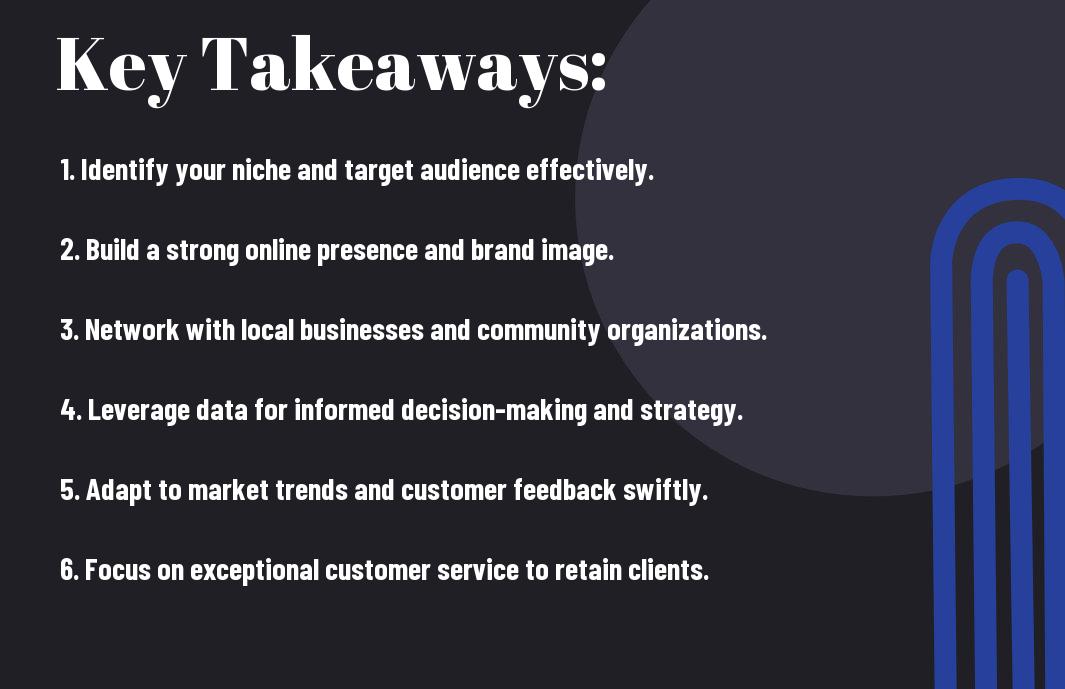
Key Takeaways:
- Understand the importance of identifying your target market and tailoring your products or services to meet their specific needs in New York City’s diverse landscape.
- Implement a strategic marketing plan that leverages both online and offline channels to reach potential customers effectively and build brand visibility.
- Consistently analyze financial performance and adjust business strategies accordingly to ensure sustainability and growth within the competitive NYC business environment.
Understanding the NYC Market
Before launching your business in New York City, it’s vital to grasp the unique dynamics of the market. NYC is a melting pot of cultures and consumer behaviors, which means understanding local trends, competition, and economic factors will set you on the path to success. You’ll want to stay informed about what’s driving consumer demand and how your competitors are positioning themselves in this vibrant landscape.
Market Research Techniques
About effective market research techniques, you should utilize various methods to gather insights about the NYC market. Start by analyzing industry reports, surveys, and local demographic data. Engage with potential customers through online platforms and social media to gauge their preferences. Additionally, leverage focus groups to obtain qualitative feedback, allowing you to refine your product or service offering to better meet the needs of your audience.
Identifying Target Demographics
About identifying target demographics, you need to analyze who your potential customers are and what they value. Use quantitative data such as age, gender, income level, and spending habits to create a detailed profile of your ideal customer. This will help you tailor your marketing strategies effectively to connect with your audience and fulfill their specific needs.
Consequently, by understanding your target demographics, you can craft marketing messages that resonate deeply and develop products or services that align with their preferences. This emphasis on customer alignment will foster loyalty and encourage repeat business, ultimately enhancing your brand’s presence in such a competitive environment as New York City.
Crafting a Business Plan
Even the best ideas can falter without a solid business plan. This document serves as your roadmap, outlining objectives, strategies, and market analysis, ensuring you stay focused on your goals. A well-crafted business plan not only guides your operations but also attracts potential investors and partners by clearly articulating your vision and methods for success in the dynamic New York City market.
Structuring Your Business Model
Your business model defines how you create, deliver, and capture value. Consider the various elements such as product offerings, pricing strategies, and customer segments to develop a sustainable and profitable model. By tailoring your approach to fit the unique characteristics of your target market, you position your business for growth and longevity in a competitive environment.
Financial Projections and Budgeting
Projections are vital to understanding the financial health of your small business. They allow you to estimate revenues, expenses, and cash flow, helping you make informed decisions as your business grows. Effective budgeting is also vital, as it helps you allocate resources efficiently and avoid unnecessary debts.
Hence, creating accurate financial projections involves analyzing historical data and market trends. This process not only aids in setting realistic revenue goals but also prepares you for potential challenges ahead. Regularly revisiting your budget ensures you remain aligned with your overall business strategy while allowing for flexibility in adapting to changes in the market landscape.

Marketing Strategies for Success
Your marketing strategies should be tailored to resonate with your target audience and reflect the unique offerings of your New York City small business. By combining traditional and digital marketing approaches, you can effectively reach potential customers and build lasting relationships. Ensure that you consistently evaluate and refine your tactics to adapt to the ever-changing market landscape.
Digital Marketing Essentials
Marketing in the digital world requires a strong online presence. This means creating a user-friendly website, engaging with your audience on social media, and utilizing search engine optimization (SEO) to increase visibility. Leverage email marketing to keep customers informed and connected. Building a comprehensive digital strategy will help you attract and retain customers in a competitive space.
Leveraging Local Networks
Any small business can benefit from tapping into local networks to increase visibility and brand loyalty. Collaborating with other local businesses and engaging in community events can foster connections that lead to mutually beneficial relationships. Building a strong network not only provides opportunities for referrals but also enhances your standing within the community.
Further, consider joining local business organizations or chambers of commerce to expand your connections. Networking events provide invaluable opportunities to share ideas and promote your business. Partnering with local influencers can also help amplify your reach. By actively engaging with your community, you create a supportive network that can contribute to your business’s long-term success.
Building a Strong Brand Presence
To thrive in New York City’s competitive landscape, you must establish a strong brand presence that resonates with your target audience. This involves creating a distinct identity that reflects your values and mission while effectively communicating your unique selling proposition. A well-defined brand presence not only attracts customers but also fosters loyalty and trust, making it indispensable for long-term success.
Brand Identity Development
To create an impactful brand identity, you should focus on developing key elements such as your logo, color palette, and voice. These components should align harmoniously to convey your brand’s personality and values. By consistently incorporating these elements across all your marketing channels, you establish a recognizable and memorable brand that stands out in the bustling NYC market.
Community Engagement Approach
One effective way to strengthen your brand is through active community engagement. By participating in local events, supporting charitable initiatives, and collaborating with other businesses, you foster relationships that enhance your brand’s visibility and reputation.
With a tailored community engagement approach, you not only elevate your brand’s presence but also create genuine connections with potential customers. By understanding their needs and values, you can craft initiatives that resonate with the community. This can manifest through sponsorships, events, or even social media interactions that highlight your commitment to the local culture. Engaging authentically with your community will help you to build a loyal customer base and differentiate yourself from competitors.
Navigating Regulations and Compliance
For small business owners in New York City, understanding regulations and compliance is important to avoid potential pitfalls. You need to familiarize yourself with local, state, and federal rules that govern your industry. Compliance isn’t just about avoiding fines; it helps to establish a reputation for reliability and trustworthiness among your clients and partners, fostering a strong foundation for your business to grow.
Business Licenses and Permits
The types of licenses and permits you require largely depend on your specific business activities and location. For instance, food businesses need health permits, while professional services may require specific certifications. Make sure to check the NYC Business Express website for a comprehensive guide tailored to your business type, ensuring you meet all necessary legal obligations.
Tax Obligations and Incentives
An understanding of your tax obligations is vital for managing the financial health of your small business. You’ll face various taxes like sales tax, income tax, and payroll tax, but NYC also offers incentives such as tax credits and deductions that could benefit your bottom line.
To optimize your financial strategy, consider consulting a tax professional who can guide you through your obligations and help you claim available incentives. Keep thorough records of your expenses and revenues to ensure you’re maximizing deductions. Additionally, staying informed about local tax programs can provide financial relief and support your business growth in New York City.
Networking and Partnerships
All successful small businesses thrive on strong networks and effective partnerships. In New York City, where opportunities abound, developing connections can lead to valuable collaborations, resources, and mentorships. By engaging with the local business community, you can unlock doors that propel your venture to new heights. Building these relationships strengthens your brand and fosters a support system that can navigate the challenges of entrepreneurship.
Finding Mentors and Advisors
Against the odds of competing in this vibrant market, finding mentors and advisors can significantly enhance your business acumen. Seek out seasoned entrepreneurs who have successfully navigated the NYC landscape. Their insights and experiences will provide invaluable guidance as you make critical decisions, helping you avoid common pitfalls. Consider networking events, industry meet-ups, or online platforms to connect with potential mentors who resonate with your vision.
Collaborative Opportunities in NYC
Around the bustling streets of New York, the spirit of collaboration is alive and thriving among small businesses. This city offers numerous opportunities to partner with other entrepreneurs, artists, and organizations that complement your offerings. By joining forces, you can tap into new markets, share resources, and expand your reach without the burden of overhead costs. Collaboration can take many forms, including co-hosted events, shared marketing campaigns, or even product collaborations, thereby allowing you to creatively engage your audience.
With its diverse and dynamic landscape, NYC presents a wealth of collaborative opportunities that can enhance your business’s visibility and impact. Look for neighborhood associations, business improvement districts, or community-focused initiatives that promote partnership. Local shared workspaces and incubators also foster environments for networking and joint projects. By exploring these avenues, you can forge strategic alliances that not only enrich your business but also create a sense of community and support in the ever-evolving marketplace.
Final Words
As a reminder, successfully mastering the market in New York City involves focusing on four key steps: understanding your target audience, cultivating a unique value proposition, leveraging digital marketing, and continuously adapting to market changes. By implementing these strategies, you can position your small business for growth and sustainability in a competitive environment. Stay committed to your vision, and use these steps as a guide to navigate the dynamic landscape of the NYC market, enhancing your potential for success and longevity.
Q: What are the four steps outlined in ‘Mastering The Market – 4 Steps To A Thriving New York City Small Business’?
A: The book presents a systematic approach consisting of four key steps: 1) Market Research – understanding your target customers and competitors; 2) Brand Development – creating a unique identity that resonates with your audience; 3) Marketing Strategy – implementing effective tactics to reach and engage your market; and 4) Financial Management – ensuring sustainable growth through sound financial practices. Each step is designed to build upon the last, creating a comprehensive framework for success in New York City.
Q: How can I implement effective market research for my small business in New York City?
A: Effective market research involves several strategies. First, utilize online surveys and social media polls to gather insights directly from your target audience. Second, conduct competitor analysis to identify gaps in the market and areas for improvement. Third, engage in direct observation of consumer behaviors in your vicinity. Additionally, consider leveraging local business associations or chambers of commerce for access to valuable demographic data. These approaches will enable you to pinpoint your customer base and tailor your offerings accordingly.
Q: What specific marketing tactics can I employ to stand out in New York City’s competitive landscape?
A: To differentiate your small business, consider leveraging digital marketing avenues such as targeted social media advertising and search engine optimization (SEO) to increase visibility. Hosting local events or participating in community activities can also create a personal connection with potential customers. Collaborations with other local businesses for joint promotions can help expand your reach. Furthermore, developing a strong and engaging online presence through quality content and customer interaction is crucial in capturing the attention of New York City’s diverse consumer base.