
Family‑Friendly New York Hotel Booking – How To Choose The Right Neighborhood And Room
There’s no shortage of energy in New York City, but choosing where to stay with children transforms the experience from overwhelming to enjoyable. You need a neighborhood that balances proximity to attractions with calm spaces, and a room layout that comfortably fits your family. A mid-sized SaaS firm relocating its team might prioritize speed and efficiency, but your family trip demands thoughtful planning around sleep schedules, stroller access, and breakfast availability. The right hotel choice makes all the difference.
Key Takeaways:
- Families benefit most from staying in neighborhoods like Upper West Side or Jackson Heights, where wide sidewalks, accessible parks, and local grocery stores support daily routines with children.
- Booking connecting rooms or suites with a sofa bed allows parents to maintain supervision while preserving privacy, a setup commonly offered by mid-tier chains such as Holiday Inn Express in Midtown.
- Proximity to subway lines with elevators-such as the 4, 5, 6 at Grand Central or the E, F, M, 7 at Jackson Heights-reduces travel stress and increases neighborhood accessibility for strollers and tired legs.
Factors for Selecting the Ideal Family Neighborhood
Location shapes your family’s daily rhythm in New York. Choose a neighborhood with easy access to green spaces, age-appropriate attractions, and reliable public transit. Walkability reduces stroller strain, while proximity to pharmacies and casual dining simplifies routines. Any area balancing convenience, safety, and child-friendly energy will support a smoother trip.
Proximity to Major Parks and Kid-Friendly Attractions
Staying near Central Park, Prospect Park, or the Hudson River Greenway means spontaneous play breaks and shaded strolls are always within reach. Museums like the American Museum of Natural History and the Children’s Museum of Manhattan offer rainy-day options just steps from family-oriented hotels. Being close eliminates long transit with tired children.
Evaluating Safety Ratings and Nighttime Noise Levels
Quiet streets and visible police presence contribute to a calmer experience, especially with young children. Check local precinct crime summaries and read recent guest reviews that mention nighttime foot traffic or street lighting. A peaceful block helps ensure rest after long days of sightseeing.
Safety extends beyond crime statistics to environmental comfort. A neighborhood may be statistically safe but still feature loud nightlife, crowded sidewalks, or poorly lit crosswalks that complicate family movement. A mid-sized SaaS firm relocating its team temporarily to Midtown observed their employees with children preferred accommodations on side streets between 59th and 75th on the Upper West Side, citing predictable pedestrian flow and minimal late-night disturbances. These subtle factors often matter more than raw data when traveling with kids.
How to Evaluate Hotel Room Configurations
Choosing the right room setup affects your family’s comfort more than any other hotel factor. A poorly arranged space can lead to disrupted sleep and constant congestion, especially with young children. Look beyond square footage and assess how the space functions hour by hour, from bedtime to morning routines.
Comparing Multi-Room Suites and Connecting Options
Multi-room suites often provide dedicated sleeping areas within a single reservation, eliminating hallway dependency. Connecting rooms offer flexibility, particularly for extended family or teens needing privacy, but verify the door mechanism works reliably upon arrival.
| Suite Type | Best For |
| One-bedroom suite with sofa bed | Families of four needing separate adult and child zones |
| Two connecting standard rooms | Groups with older children or grandparents traveling together |
| Studio room with pull-down bunk | Short stays with limited luggage and younger kids |
| Two-bedroom suite with full kitchen | Extended stays or families with infants requiring meal prep |
Identifying Child-Safe Features and Layouts
Open floor plans with unobstructed sightlines let you monitor children while preparing meals or packing. Avoid rooms with sharp cornered furniture, unrestrained balcony doors, or accessible electrical outlets near play areas.
Check whether the hotel provides window guards, outlet covers, and secured furniture anchoring-standard in many New York properties by law. Rooms with interior corridors or elevators visible from the door reduce wandering risks. A mid-sized SaaS firm’s travel policy now mandates these features after a documented incident in a Manhattan high-rise without window stops.
Essential Amenities That Simplify Family Travel
When traveling with children, access to practical hotel features reduces stress and streamlines your stay. A mid-sized SaaS firm relocating its team might prioritize fast Wi-Fi, but for families, it’s kitchenettes, laundry access, and baby equipment that make the difference between a strained trip and a smooth one.
Prioritizing Kitchenettes and In-Room Refrigeration
You’ll save time and money by preparing simple meals in your room. A kitchenette with a microwave, sink, and fridge lets you store milk, snacks, or baby food, avoiding repeated takeout runs. Even limited counter space helps when assembling bottles or reheating leftovers late at night.
Utilizing On-Site Laundry and Baby Gear Rentals
Packing fewer clothes becomes feasible when laundry facilities are available on-site. Many family-friendly hotels offer compact washers or shared laundry rooms, while rental programs provide cribs, strollers, and high chairs-eliminating the need to transport bulky items through the city.
Hotels near major transit hubs or in extended-stay districts commonly include guest laundry and gear rentals as standard. A property in Midtown, for instance, might partner with a local baby concierge service to deliver sanitized strollers within hours of arrival, giving you immediate flexibility for long days of sightseeing without overpacking.
Tips for Securing the Best Rates for Larger Groups
Booking accommodations for multiple families or extended relatives requires strategic planning to avoid inflated costs. Group reservations often trigger automatic rate increases, so consider making individual bookings under a single hotel block code when available. Some properties waive fees or offer breakfast inclusions for groups of five or more rooms. Early communication with the hotel’s group desk can reveal unadvertised perks. Recognizing how pricing algorithms respond to booking patterns gives you an edge in securing better value.
- Request a group rate block to lock in consistent pricing
- Ask about complimentary upgrades during low-occupancy periods
- Combine stays over multiple nights for added discounts
Leveraging Seasonal Discounts and Family Packages
Off-peak months like January or late August often bring reduced room rates and added benefits such as free child stays or dining credits. A mid-sized SaaS firm relocating its team midweek might find corporate-negotiated rates applicable to family bookings during slower business travel periods. Recognizing when demand dips helps you access premium rooms at lower price points.
Navigating Hidden Resort and Facility Fees
Some hotels advertise low base rates but add mandatory daily charges for amenities like Wi-Fi, fitness centers, or pool access, sometimes totaling $35 or more per night. These fees rarely appear during initial search results but are non-optional upon check-in. Recognizing the difference between all-inclusive pricing and à la carte surcharges prevents budget overruns.
Resort fees are most common in high-traffic districts like Midtown Manhattan or near major attractions such as Times Square. A hotel advertising a $299 nightly rate may impose a $35 facility fee, effectively raising the cost by over 10%. These charges typically fund access to on-site services, yet families often use them minimally. Always confirm whether taxes and fees are bundled in the quoted price before finalizing your reservation.
How to Manage City Logistics with Children
Traveling with children in New York requires thoughtful planning to minimize stress and maximize enjoyment. Choosing the right neighborhood does more than influence sightseeing-it shapes your daily rhythm. A well-positioned base allows for predictable routines, even amid the city’s pace, giving you flexibility when managing meals, rest, and unexpected needs.
Choosing Hubs Near Accessible Public Transportation
Selecting a hotel near subway lines with elevator access simplifies transit with strollers or tired legs. Stations on major numbered lines like the 4, 5, or 6 in Midtown or the N, Q, R in Union Square offer reliable service to attractions. You avoid long walks or multiple transfers, preserving energy for your family’s itinerary.
Prioritizing Walkability to Grocery Stores and Pharmacies
Staying within five minutes of a grocery store or pharmacy means quick access to snacks, formula, or medicine without rerouting your day. Chains like Duane Reade and Fairway Market appear frequently in neighborhoods like the Upper West Side and Flatiron, offering convenience when schedules shift unexpectedly.
Having a nearby grocery store lets you prepare simple meals when dining out feels overwhelming. You can store perishables in a mini-fridge and avoid overpriced room service. A pharmacy within walking distance provides immediate relief for minor illnesses, reducing reliance on tourist-area convenience shops with limited stock and inflated prices.
Expert Tips for a Seamless Booking Experience
Clarity at the time of booking prevents complications upon arrival. Confirm room views, floor preferences, and connecting door availability directly with the hotel. Review cancellation policies thoroughly, especially for seasonal rate changes. Any unexpected changes can be managed more easily when initial requests are documented in writing.
- Call the hotel directly after booking to verify all special requests
- Ask about early check-in or late check-out options for family needs
- Request photos of the specific room type if marketing images are generic
- Inquire about noise levels from nearby streets or hotel venues
Confirming Bedding Requests and Crib Availability
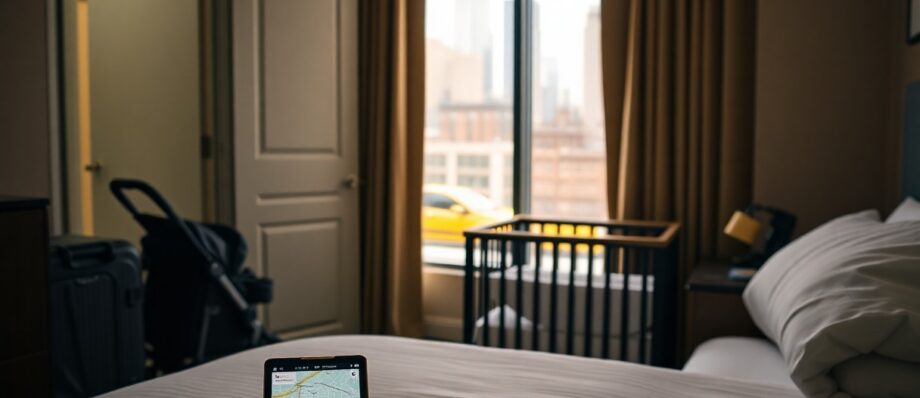
Hotels may list cribs as available online, but units are often limited. A family traveling with an infant should confirm crib access at the time of booking and again 48 hours before arrival. Some properties substitute rollaway beds if cribs run out, which may not meet safety standards for young children.
Managing Luggage and Stroller Storage Solutions
Space in family rooms can be tight, especially with multiple suitcases and a stroller. Many hotels offer luggage holding services before check-in or after checkout. A collapsible stroller can be stored in the room, but larger models may require front desk storage during extended outings.
Front desk luggage holding is standard at most mid-range and luxury properties, though not always advertised. A mid-sized SaaS firm relocating its team learned this during a corporate retreat when guests with strollers were directed to a secured closet near housekeeping. You can request a designated spot for your stroller if exploring the city for several hours, ensuring it remains dry and accessible without cluttering the room. Some hotels even provide stroller valet during peak times, particularly near subway entrances or tourist hubs.
Conclusion
When booking a family-friendly hotel in New York, your choice of neighborhood and room layout directly shapes your experience. Staying near Central Park or in Midtown gives you walkable access to attractions, while suites with separate sleeping areas or connecting rooms offer privacy and space. Prioritize properties with kitchens, laundry, and early check-in to simplify daily routines. A mid-sized SaaS firm relocating its team downtown learned that room configuration impacted productivity; similarly, your family’s comfort hinges on thoughtful logistics. Choose based on proximity, room flexibility, and in-hotel support, not just price. A well-positioned hotel with the right setup turns a busy itinerary into a smooth, enjoyable trip.
FAQ
Q: Which New York City neighborhoods are most accommodating for families with young children?
A: Midtown Manhattan offers proximity to major family attractions like the American Museum of Natural History, the Museum of Modern Art, and Central Park, reducing transit time with strollers or tired legs. Families visiting during school breaks often find the Upper West Side appealing due to its quieter streets, pedestrian-friendly plazas, and proximity to the Children’s Museum at the New-York Historical Society. Brooklyn’s Park Slope neighborhood provides a residential feel with easy subway access, walking distance to Prospect Park and the Brooklyn Children’s Museum. A family from Chicago visiting in spring reported completing more activities in two days from a Park Slope base than they had in a previous week-long stay near Times Square, citing less time spent in taxis and fewer meltdowns during transitions.
Q: What room configurations should families prioritize when booking a hotel in New York?
A: Look for rooms labeled as “family suites,” “connecting rooms,” or “adjoining king and double” to ensure sleeping space for four or more. Some hotels, like the Hudson New York, offer rooms with sofa beds and Murphy beds that free up floor space during daytime hours. A mid-sized SaaS firm’s relocation consultant traveling with twins noted that a room with two queen beds and a partitioned sleeping alcove at a Times Square hotel allowed parents to put children to bed while still having a private area to unwind. Avoid standard “double-double” rooms in older buildings where beds may be positioned too closely, limiting movement for adults at night.
Q: Are there specific hotel amenities that reduce stress when traveling with children in New York?
A: Hotels with on-site laundry facilities, kitchenettes, and refrigerators in rooms allow families to manage snacks, formula, and quick meals without relying on restaurants. The citizenM Bowery includes rooms with USB charging ports, a mini-fridge, and an app-controlled environment, which a family from Portland used to adjust lighting and temperature while their infant slept. Early check-in or flexible luggage storage helps when arriving before 3 p.m., especially after a morning flight. One family with a toddler booked a hotel near Penn Station specifically for its 24-hour front desk and complimentary stroller rentals, cutting down on carry-on bulk during subway transfers.

