

How To Start A Vintage Clothing Store That Captures NYC's Fashion Scene
Launching Your Vintage Dream: The NYC Advantage
New York City serves as a vibrant backdrop for your vintage clothing store, offering unparalleled access to a diverse clientele and a rich tapestry of fashion culture. With over 8 million residents and millions of annual tourists, the potential reach for your unique finds is immense. The city’s eclectic neighborhoods like Williamsburg, the Lower East Side, and Harlem are hubs for fashion-forward individuals eager to embrace vintage aesthetics. As you curate your inventory, tap into local trends by attending fashion events like NYC Fashion Week or visiting vintage markets, ensuring your offerings resonate with the city’s ever-evolving style landscape.
Curating the Perfect Collection
Choosing the right pieces for your vintage clothing store is about striking a balance between timeless styles and current trends. Your collection should reflect the eclectic spirit of NYC while catering to the distinct tastes of your target clientele. Pay attention to the details in fabrics, cuts, and silhouettes—these can make all the difference in creating a striking assortment that commands attention both in-store and online.
Identifying Trends in Vintage Fashion
To stay ahead in the vintage market, you must keep a close eye on emerging fashion trends. Follow influential fashion bloggers, attend vintage fairs, and visit popular thrift stores to see what styles resonate with shoppers. Check social media platforms like Instagram and TikTok, where vintage looks often trend; this will help you anticipate what pieces will fly off the racks.
Sourcing Authentic Pieces: Where to Look
Finding genuine vintage garments requires creativity and persistence. Explore local estate sales, thrift stores, and flea markets, as these often yield hidden gems. Networking with other vintage enthusiasts and joining online communities can also lead to valuable sourcing tips and even collaborative buying opportunities.
Estate sales and garage sales are often overlooked but can be goldmines for authentic pieces. Additionally, flea markets like the Brooklyn Flea or the Chelsea Flea offer a curated selection of vintage clothing. Some online platforms, such as Etsy and Depop, allow you to connect with individual sellers who specialize in unique vintage finds. Building relationships with fabric and textile wholesalers can also lead to exclusive sourcing opportunities, keeping your inventory fresh and exciting.
Building Your Brand Identity
Establishing a strong brand identity for your vintage clothing store starts with a clear vision that reflects your unique style and the spirit of New York’s fashion scene. Consider what sets your store apart: is it an eclectic selection, a focus on sustainability, or an emphasis on a specific era? This vision will guide your branding efforts, from your logo to your marketing approach, ensuring that every element resonates with your target audience and conveys the essence of what you aim to offer.
Crafting a Unique Store Concept
Your store concept should be an extension of your personal style and interests. Think about the specific themes or niches within vintage clothing that excite you. For instance, might you specialize in mid-century modern attire or bohemian festival wear? Defining a niche allows you to curate a distinctive collection that attracts a loyal customer base, making your store a go-to spot for like-minded fashion enthusiasts in NYC.
Engaging Visual Aesthetics: From Storefront to Interior Design
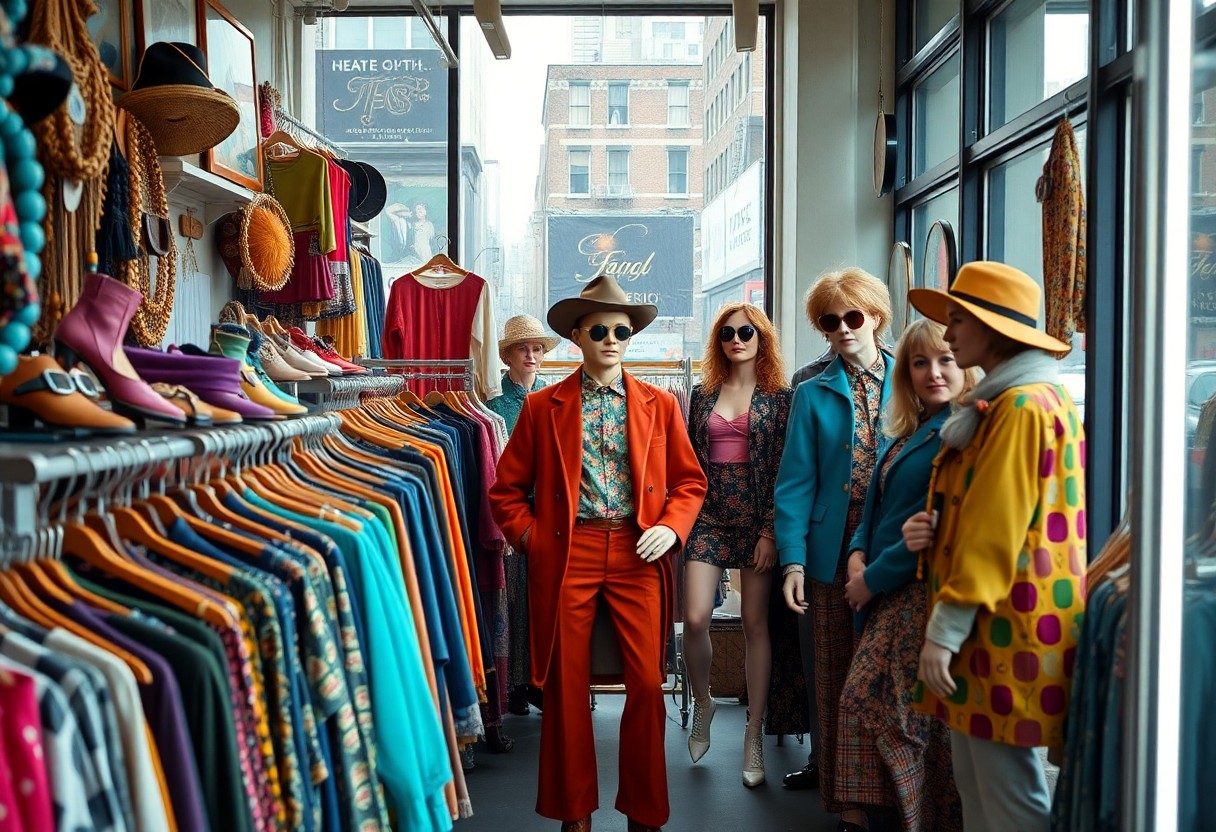
Visual aesthetics play a fundamental role in attracting customers to your store. The storefront must entice passersby, with eye-catching displays showcasing your most popular items or seasonal collections. Inside, consider creating a cohesive atmosphere that reflects your brand identity, utilizing color schemes, lighting, and merchandise arrangement to enhance the shopping experience. Incorporating vintage décor elements can create a nostalgic vibe that speaks to your customers’ love for vintage fashion.
Strategically designing both the exterior and interior of your store can significantly impact foot traffic and customer engagement. For example, consider incorporating bold signage and window displays that change regularly to highlight new arrivals or themed collections. Inside, a carefully curated layout allows for easy navigation and encourages customers to explore different sections. Utilizing second-hand furniture and décor, such as an antique cash register or retro mannequins, can add character and charm while reinforcing your vintage brand. Lighting also matters; warm, inviting lighting can create a cozy atmosphere that makes customers linger longer. Overall, a thoughtfully designed space helps communicate your brand story and invites your audience to immerse themselves in your vintage world.
Setting the Right Price: The Vintage Paradox
Pricing vintage clothing poses a unique challenge, balancing perceived value against actual worth. Unlike mainstream apparel, vintage pieces often carry a story and cultural significance, which can dramatically influence price points. Rare finds command higher prices, while more common items may require a strategic approach to attract budget-conscious shoppers. You’ll need to navigate this paradox delicately to ensure your store thrives in NYC’s competitive fashion scene.
The Art of Pricing Vintage Clothing
Successful pricing of vintage clothing requires an intimate understanding of both the item and your target market. Research comparable pieces, consider rarity, condition, and brand reputation, and factor in your store’s overhead costs. Creating a transparent pricing model not only enhances customer trust but can also elevate your brand’s image as a vintage authority in the city.
Understanding Customer Willingness to Pay
To set prices that resonate with your audience, observe their buying behaviors and preferences. Consider conducting surveys or hosting events to gauge interest in specific styles or brands. Demonstrating authentic value through storytelling can also increase desirability, allowing you to justify higher prices for more unique or sought-after pieces.
The intersection between rarity and customer willingness to pay can often feel elusive. Examine your target demographic’s typical spending habits and assess how unique vintage pieces fit into their wardrobes. For example, a well-maintained vintage Chanel jacket will attract fashion-forward buyers who are willing to invest in standout pieces. Analyze local market trends, observe social media interactions, and stay aware of current fashion influences to fine-tune your pricing strategy. Engaging with your community will enable you to set a price that reflects your customers’ appreciation for vintage fashion.
Marketing Strategies That Resonate
Understanding your target audience and employing effective marketing strategies can set your vintage clothing store apart in NYC’s dynamic fashion scene. Dive into techniques that not only highlight the authenticity of your collection but also connect with the local community. From digital marketing tactics to collaborations, your approach should feel organic and aligned with the vibrant spirit of the city.
Utilizing Social Media to Capture a Local Audience
Engaging with NYC’s fashion enthusiasts through social media is important for driving traffic to your vintage store. Create an enticing Instagram profile filled with stunning visuals of your one-of-a-kind pieces, complemented by stories showcasing local events, styling tips, and behind-the-scenes glimpses. Use targeted hashtags like #NYCVintage and #VintageNYC to reach potential customers in your neighborhood, inviting them to discover the uniqueness of your offerings.
Collaborating with NYC Influencers: A Proven Tactic
Partnering with local influencers can amplify your reach significantly. These social media personalities often have a loyal following that values their fashion sense and recommendations. By inviting them to your store for exclusive previews or styling sessions, you create buzz and authenticity around your brand.
Influencers typically bring their own style to the table, showcasing your vintage items in a way that resonates with their audience. For instance, you might collaborate with a local fashion blogger who has 15,000 followers; their genuine appreciation for your pieces could lead to increased foot traffic and sales. Consider offering unique discounts for their followers, creating a win-win scenario that not only boosts your visibility but also furthers community ties. Hosting joint events such as pop-up shops or styling nights further cements your presence in the local scene, while adding an element of exclusivity that captivates potential customers.
Creating a Memorable Shopping Experience
Enhancing the shopping experience turns casual visitors into loyal customers, ensuring they return for more. An engaging atmosphere, unique finds, and outstanding service can create an unforgettable escapade that resonates well beyond their shopping trip. Provide a sensory experience through carefully chosen music, engaging visuals, and an eclectic merchandise assortment that reflects NYC’s ever-evolving fashion landscape.
Designing an Inviting Store Layout
An inviting store layout showcases your curated collections while encouraging exploration. Utilize open spaces, creative displays, and strategically placed seating options that allow customers to take a break and appreciate the aesthetics. Create themed sections that reflect various fashion eras or styles, making it easy for customers to navigate and discover pieces that suit their individual tastes.
Implementing Exceptional Customer Service
Exceptional customer service is your secret weapon in building a loyal clientele. Train your team to be knowledgeable about vintage fashion trends and etiquette. Engaging customers with personalized styling advice and building genuine relationships fosters a warm atmosphere that encourages recommendations and repeat visits. Providing a seamless return policy and thoughtful follow-ups enhances customer trust and satisfaction.
Going above and beyond with customer service can set your store apart in a competitive environment. Consider hosting styling events or vintage workshops to engage with your clientele on a deeper level. Encouraging loyal customers to share their experiences and host pop-up events helps create a community around your brand. Acknowledge returning shoppers with special discounts or exclusive offers, reminding them that their patronage is valued and appreciated.
Conclusion
Drawing together your passion for fashion and knowledge of New York City’s unique style, launching a vintage clothing store can be an exciting endeavor. Focus on curating a collection that resonates with your target audience, prioritize effective marketing strategies, and create a welcoming environment. Engaging with the local fashion community will further enhance your store’s appeal. By staying true to your vision and adapting to changing trends, you’ll carve out your niche in NYC’s vibrant fashion scene, ensuring your store becomes a beloved destination for vintage enthusiasts.

